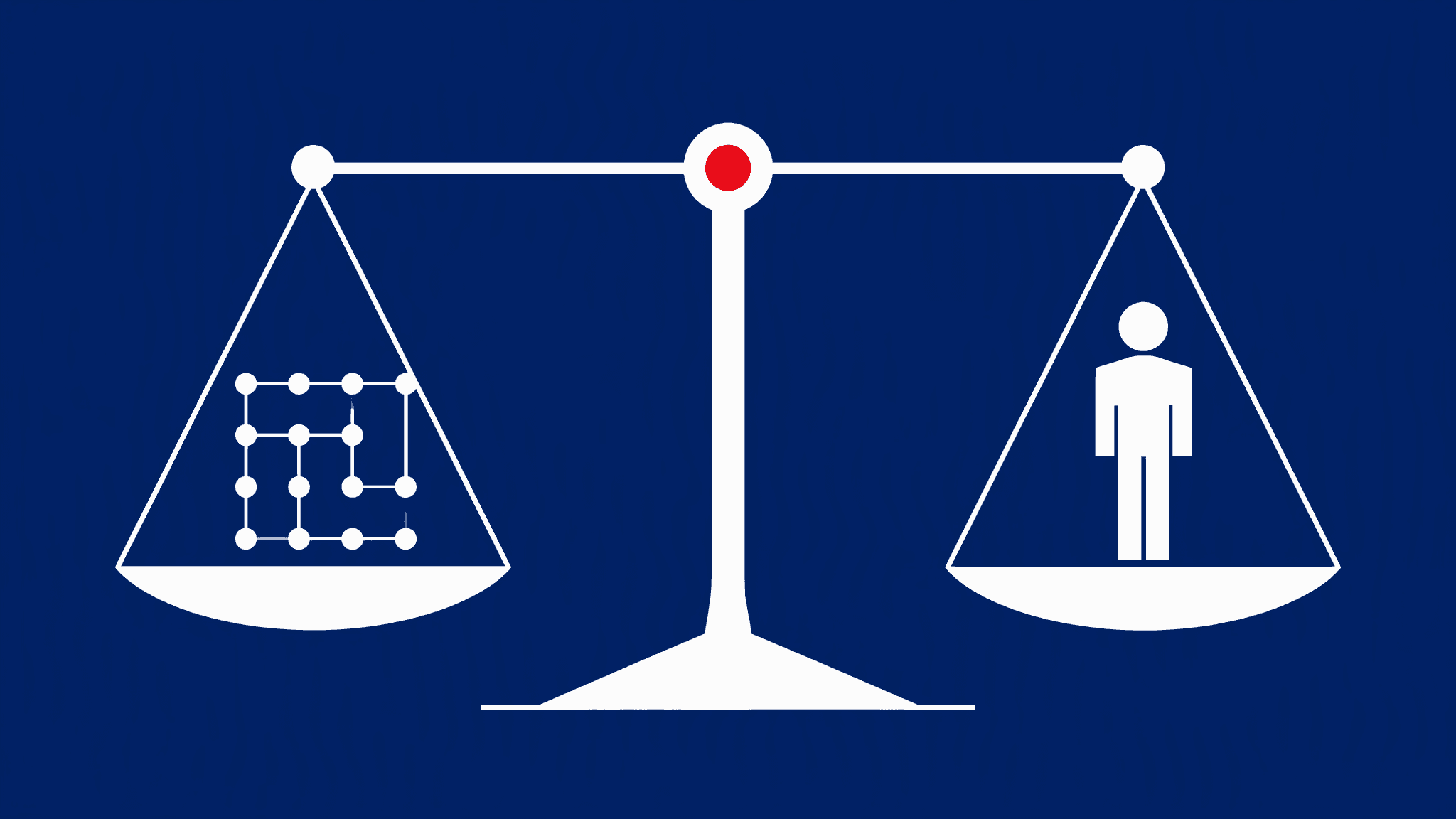
The ATS solved a 2005 problem
The applicant tracking system was built for a world where the challenge was keeping track of who applied. Applications arrived by email or fax. Someone needed to log them, move them through stages, not lose them. The ATS did that. It was a filing system with workflow.
In 2026, the challenge isn't tracking. Applications per role went from 28 in 2021 to 95 in 2025. Some roles see 300 submissions before a hire. The bottleneck isn't record-keeping — it's knowing which 5 of those 300 to actually talk to, and why.
An ATS tells you what happened. It does not tell you what to do next.
What "talent intelligence" actually means
The category is overused and underspecified, so it's worth being precise. A talent intelligence platform does three things an ATS doesn't:nn1. It reasons over the candidate pool. Not just filters it. The difference is significant. Filtering is "show me everyone with 5+ years in B2B SaaS." Reasoning is "given the scorecard, the current team composition, and the last three hires that worked, these four profiles are worth prioritizing." Filtering is a spreadsheet. Reasoning is a recommendation.
2. It works proactively, not reactively. An ATS opens when a role opens and closes when it fills. Talent intelligence runs continuously: building the pool, tracking signal changes in passive candidates, surfacing people whose context just shifted. When the role opens, the work is mostly done.
3. It closes the feedback loop. Most ATS deployments have no mechanism to learn from hiring outcomes. You hired someone in March; eight months later, were they a good hire? That signal never makes it back into the sourcing criteria. Talent intelligence platforms that work are ones where the hiring outcome improves the model — not just the pipeline.
The gap most companies are sitting in
The honest picture in 2026: most hiring software sits in an uncomfortable middle. Traditional ATS vendors have bolted on AI features — CV scoring, automated screening questions, suggested candidates. Newer platforms market themselves as "intelligence" but deliver sophisticated filtering.
The gap between filtering and reasoning is real, and it shows up in outcomes. A 2026 HR leader survey found that companies leading on predictive analytics in recruitment report measurably better quality-of-hire; the companies using AI primarily for speed still struggle to measure whether the AI is improving the actual hires.
Speed is the wrong optimization target for hiring. Hiring fast a candidate who leaves in six months is worse than hiring slightly slower someone who stays three years. The metric that matters is quality, not throughput — and most ATS-centric workflows optimize for the latter because that's what's easy to count.
What the ATS is still good at
None of this means ATS platforms are useless. They're the record of truth for the process. Compliance documentation, interview scheduling, offer letters, pipeline visibility — these things need a structured home, and the ATS provides it.
The mistake isn't using an ATS. The mistake is expecting the ATS to generate insight rather than store it. That's not what it was built for, and patching it with AI features doesn't change the underlying architecture.
The category that's actually growing is the layer that sits alongside or above the ATS: platforms that do the intelligence work and hand off structured, reasoned recommendations into the existing workflow. You keep Greenhouse or Ashby for what they're good at. You add something else for the problem they weren't designed to solve.
How Umamy fits into this
Umamy is built around the intelligence layer, not the tracking layer. It integrates with existing ATS platforms via webhooks — including Ashby — so it doesn't replace the process infrastructure. It changes what feeds into it.
The practical difference: a recruiter using Umamy isn't starting from a blank search. They're starting from a reasoned shortlist with context — why each person was surfaced, which signals indicate this is the right moment, how the profile maps against the scorecard. The ATS then handles everything downstream.
The question for any hiring team in 2026 isn't whether to use an ATS. It's whether the tools sitting upstream of the ATS are doing filtering or reasoning. That distinction is where hiring quality actually diverges.
📅 Keep your ATS. Add the intelligence layer. Umamy runs on top of your ATS and LinkedIn: first candidates in 10 minutes, ranked with the Dynamic Fit Score, nothing to migrate.
Talk to sales